Yamaha PW-X2
The Yamaha PW-X2 is a central motor from the 2019-2021 generation, developed for electric mountain biking and the successor to the PW-X. It delivers up to 80 Nm of torque, weighing approximately 3.1 kg, with an important feature: it maintains its assistance at very high cadences, up to 170 rpm in MTB/EXPW modes..
It has notably equipped electric mountain bikes from brands using Yamaha systems, including Haibike, R Raymon, Yamaha and some platforms resulting from the Yamaha/Giant collaboration.. Its construction is based on a compact architecture with a central motor and gear transmission, featuring an ISIS type bottom bracket.
Regarding the issues encountered with this generation, feedback from repairers and users mainly reports on mechanical noises, wear or failure of bearings, water infiltration and, more rarely, wear of internal gears. The increase in noise may also be related to aging or the dispersion of internal grease. Some motors also exhibit play at the bottom bracket axis due to wear of internal components. However, these issues do not mean that the PW-X2 is unreliable: examples that have covered several tens of thousands of kilometres without major intervention are also documented.
Giant SyncDrive Life
The Giant SyncDrive Life is a Giant variant of a motor platform developed with Yamaha, primarily intended for city, trekking and leisure e-bikes, particularly low-frame bikes. Unlike the PW-X2, the Life prioritises comfort and smoothness: it delivers 60 Nm, offers up to 300% assistance and integrates the Smart Assist system with six sensors, capable of taking into account, in particular, the torque applied, cadence, speed, acceleration and gradient.
It has been primarily mounted on Giant, Liv and Momentum, including trekking, city and leisure models. Mechanically, the Life belongs to the same large Yamaha family as the PW motors of this generation, but Giant combines its own software, electronics and integration with the EnergyPak/RideControl system.
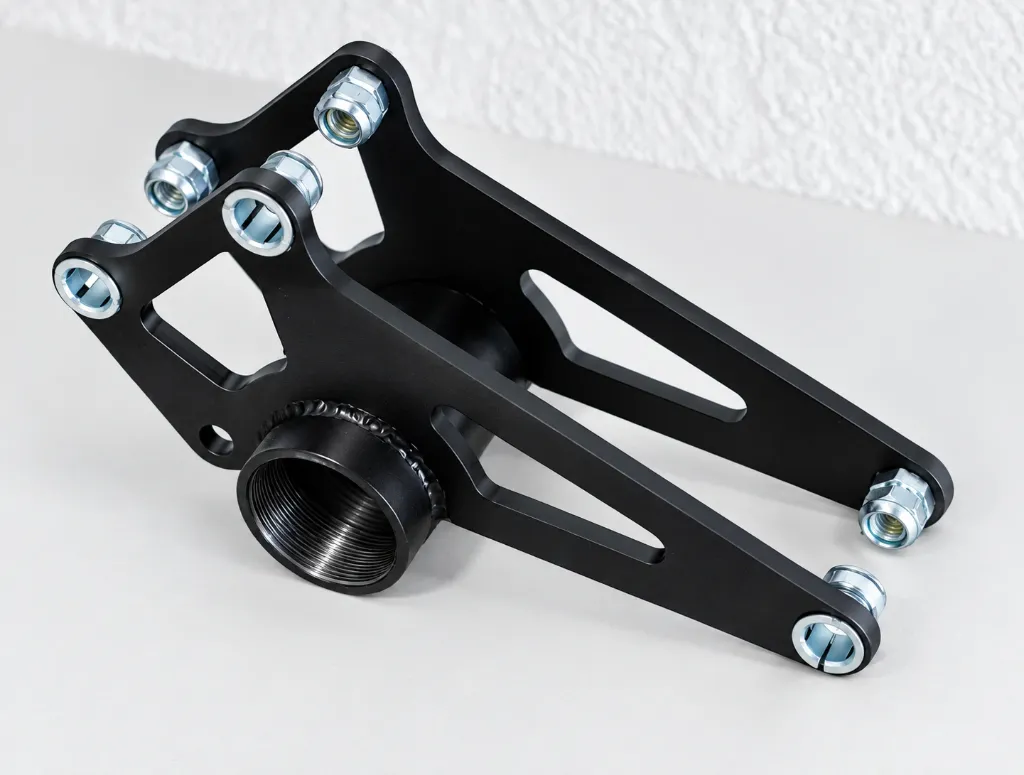
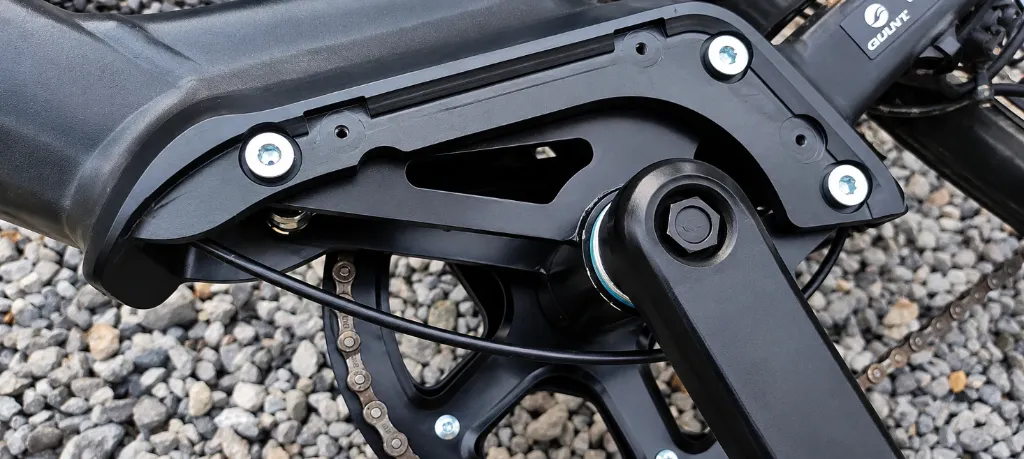
The issues encountered are mainly those found on Yamaha motors of this generation: unusual noises or humming, aging of the bearings and grease, moisture-related issues and, in some cases, electronic or sensor problems. However, it is important to highlight a significant detail: the Giant manual specifies that the lateral play of about 1 mm of the bottom bracket axis of the Sport and Life motors is intentional and constitutes a design feature, not a fault. The motor is attached to the frame by three mounting points, which is particularly important when trying to determine which Yamaha motors can potentially be substituted.
The Yamaha PW and Giant SyncDrive families: what mechanical similarities?
To understand the replacement possibilities, it is preferable to reason by generations and mechanical platforms rather than by the commercial name alone.
In the old Yamaha generation, we notably find the PW/PW-SE, the PW-TE, PW-CE, PW-ST, then the sports family PW-X and PW-X2.
The correspondences with Giant are quite clear: the PW-TE corresponds to the SyncDrive Life, the PW-ST to the SyncDrive Sport, the PW-CE to the SyncDrive Core, while the PW-X/PW-X2 forms the basis of the first generation SyncDrive Pro. This means that there are strong architectural similarities within these families, but one must not deduce that all motors are mechanically interchangeable.
The SyncDrive Pro, for example, uses a Yamaha base but Giant has made modifications to certain mechanical elements, the electronics and especially the software. The following generations constitute different platforms: PW-X3 at Yamaha and SyncDrive Pro 2 / Sport 2 at Giant should therefore not be considered as mere interchangeable evolutions of the PW-X2 or SyncDrive Life. Giant also specifies that its motors are integrated and developed according to its frames.