When choosing an electric bike, people often look at the power of the motor, the battery range, or the design of the bike. However, a much more discreet element directly influences the riding experience: the sensor used by the electric assistance system.
It determines how the motor reacts when pedalling. Two main technologies currently dominate the electric bike market: the pedal sensor and the torque sensor. These systems have a huge impact on the bike's behaviour, riding comfort, battery consumption, and even the wear of components.
Understanding the difference between these two technologies is essential before purchasing an electric bike, a motor kit, or replacing an existing motorisation. Because behind sometimes vague technical terms lie two completely different philosophies of electric biking.
The pedal sensor: the most widespread technology
The pedal sensor, also known as the cadence sensor, has historically been the most commonly used solution on entry-level and mid-range electric bikes. Its operation is relatively simple: it only detects whether the cyclist is pedalling or not.. Its operating principle is relatively simple: it only detects the presence or absence of pedaling.
Specifically, as soon as the crankset turns, the motor starts according to the selected level of assistance.. No matter the force applied to the pedals, the motor provides a predefined assistance as long as pedalling continues.
This technology offers a very accessible, sometimes compared to "an electric moped". The bike moves forward easily without requiring much effort, which is particularly appealing to users looking for a comfortable means of transport for urban or daily journeys.. Many electric bikes sold in large retail chains use this system for its simplicity and low cost.
However, this assistance can sometimes feel less natural. The motor acts more like a switch than an extension of the cyclist's effort. On some bikes, there is a slight delay when starting or stopping the assistance, especially on the most basic systems.
Hub motors very often use this technology. It can be found on many Bafang front or rear hub motors, but also on some urban motors Ananda. Many accessible electric conversion kits also work with a pedal sensor, particularly from Ozo.
Even some popular electric bikes from large retailers, including certain older generations of Decathlon bikes or economical urban models, still use this technology.
This type of sensor also has an important advantage: it generally puts less strain on the transmission. As the user often exerts less physical effort, the wear on the chain and cassette can be a bit more gradual than on some very torquey motors.

The torque sensor: a much more natural assistance
The torque sensor works in a completely different. Here, the system not only detects the movement of the crankset, but also the force exerted by the cyclist on the pedals.
The harder the user pushes, the more power the motor delivers. Conversely, when the effort decreases, the assistance naturally reduces. This technology offers a much smoother and more intuitive feel, very close to the behaviour of a traditional bike… but with super-powered legs.
This is now the preferred technology on high-end electric bikes, high-performance electric mountain bikes, and premium cargo bikes. It significantly improves bike control, especially in climbs, accelerations, or technical sections.
Central motors very often use a torque sensor. Bosch, Shimano, Brose, and Yamaha systems largely rely on this technology.
For example, a Bosch Performance Line CX motor continuously adjusts the assistance based on the pressure applied to the pedals. The result is particularly impressive on an electric mountain bike or a heavily loaded cargo bike.
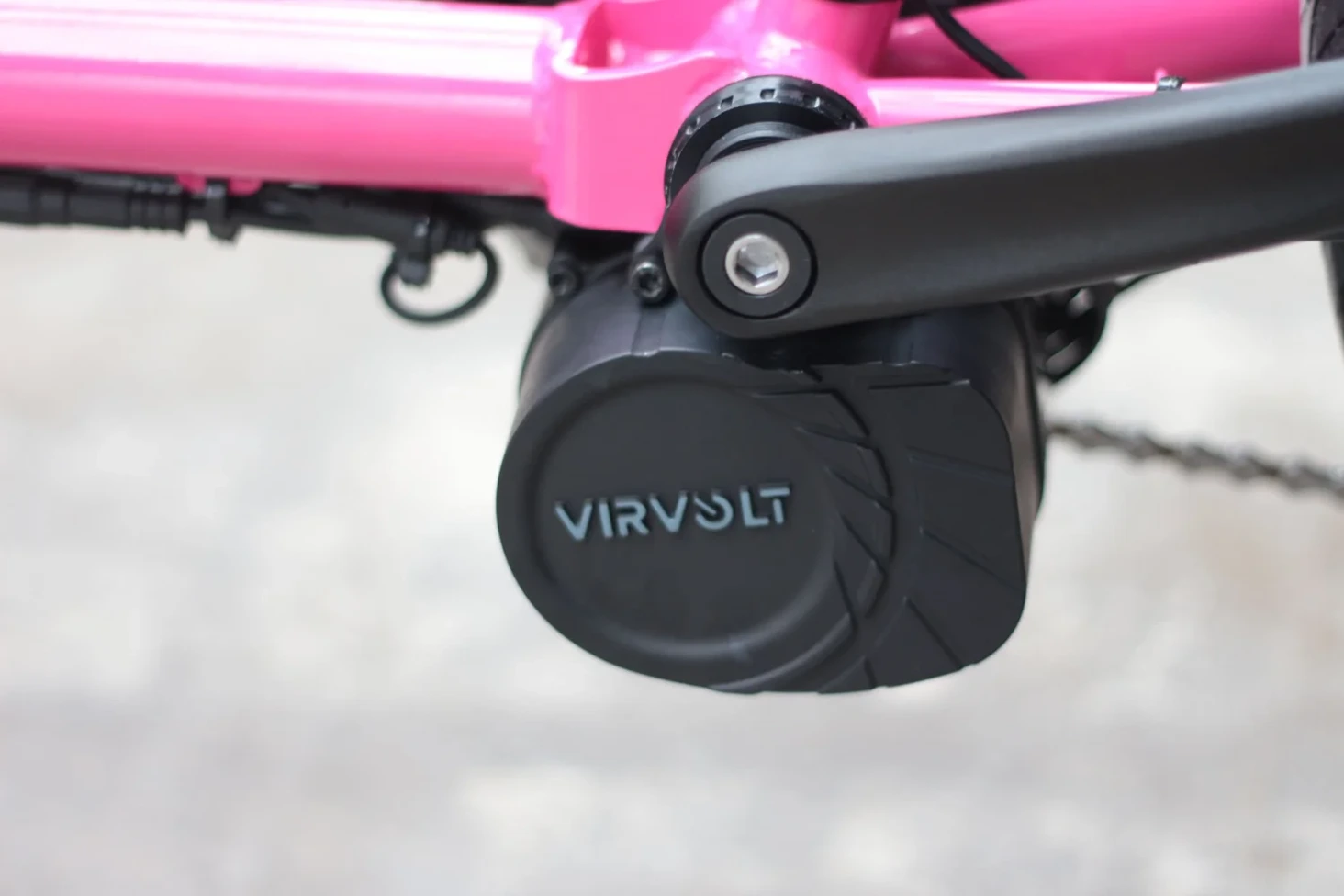
On the side of the conversion kits, the Tongsheng TSDZ2 and TSDZ8 motors (like those from Virvolt and Syklo) have become very popular precisely because they incorporate atrue torque sensor. This allows them to offer sensations similar to those of premium brands while remaining more open and more repairable.
The main disadvantage of the torque sensor lies in its higher cost and the complexity of the system.This technology requires more electronics and precision. It also puts more strain on the transmission, as the cyclist generally pedals in a more active manner.
What sensations on the road?
The difference between the two technologies is felt immediately from the first few kilometres.
A bike equipped with a pedal sensor often gives the impression of being “pushed” by the motor. The assistance comes in quite consistently, regardless of the effort exerted. This is perfectly suited for relaxed urban use or for users primarily seeking comfort.
With a torque sensor, the sensation is much more sporty and intuitive. The motor truly amplifies the cyclist's effort. The harder you pedal, the more the bike responds. This offers better control in climbs, turns, or accelerations.
This difference becomes particularly important on cargo bikes. A longtail or a Long John equipped with a torque sensor will generally be much more pleasant to ride when carrying children or heavy loads.
What impact on the battery and range?
The type of sensor also influences the energy consumption of the bicycle.
Torque sensor systems are often more efficient, as the motor precisely adjusts its assistance to the actual effort. This avoids delivering unnecessary power when it is not needed.
In contrast, some pedal sensors operate with a more constant assistance, sometimes less energy-optimised.
However, the range also heavily depends on the cyclist's behaviour, the weight of the bicycle, the terrain, and the overall quality of the motor.
Can we change technology?
This is an increasingly common question, especially when amotor fails..
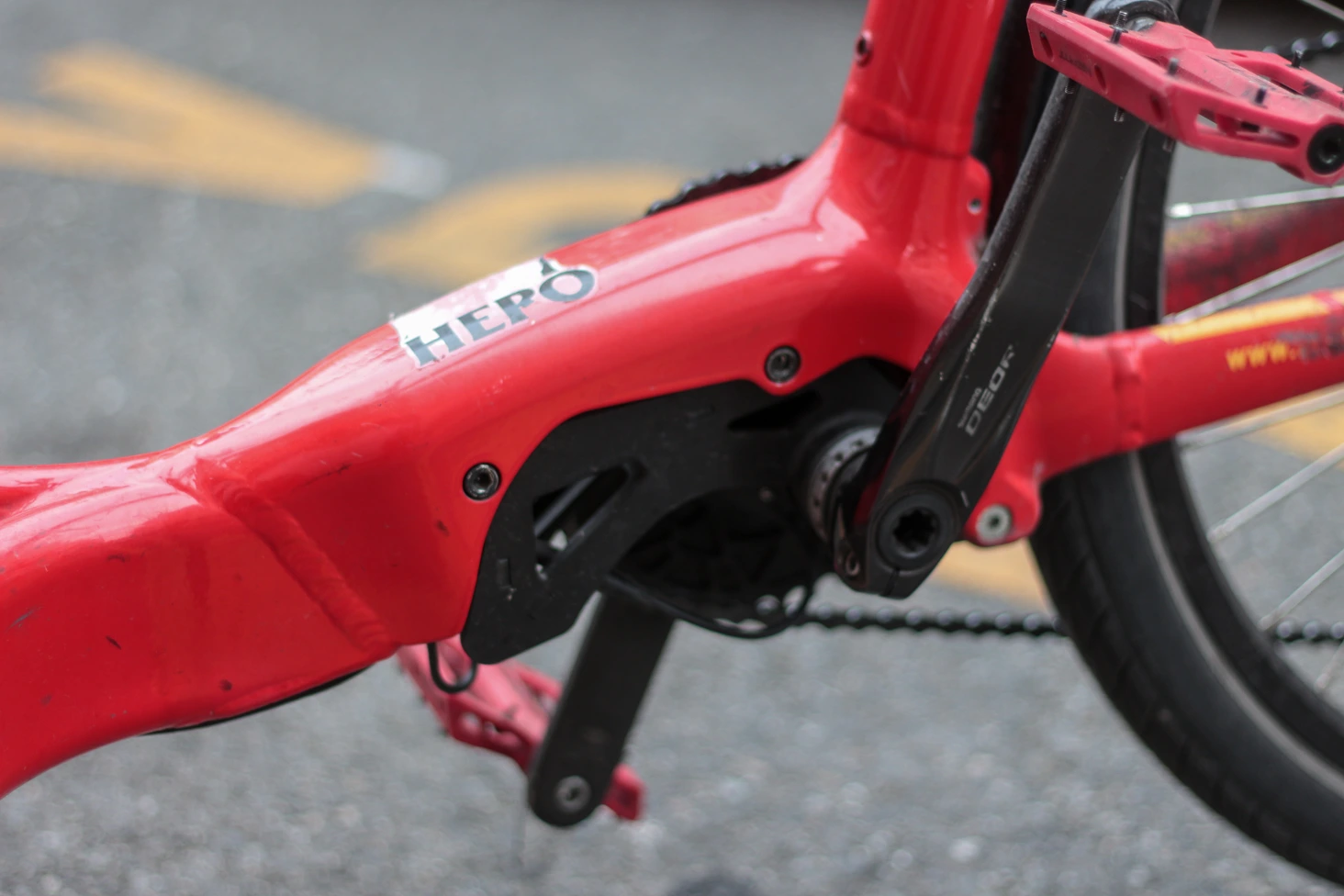
In some cases, it is possible to replace an old pedal sensor system with a motor equipped with a torque sensor. Tongsheng kits are often chosen for this reason, as they provide a much more modern riding experience.
Solutions such as the adapters offered by Save My eBikealso open up new possibilities. They allow for the replacement of certain proprietary motors with more open and sometimes more efficient systems. ouvrent également de nouvelles possibilités. They can notably replace certain proprietary motor systems with more open — and sometimes more efficient — alternatives.
A user with an old electric bicycle equipped with a basic motor can thus completely modernise their bike without having to replace the entire frame.
Why this difference is becoming essential today
The electric bicycle market is evolving rapidly. Users are now looking for bikes that are more natural, more enjoyable to ride, and closer to the sensations of a traditional bicycle.
The the torque sensor perfectly responds to this trend, which explains why it now equips the majority of premium electric bikes.
However, the pedal sensor remains of great interest to users seeking simplicity, lower cost, and easily accessible assistance.
The best choice therefore primarily depends on the type of use, budget, and expectations regarding sensations.
Conclusion: torque sensor or pedal sensor?
The pedal sensor and the torque sensor represent two different visions of electric biking.
The former prioritises simplicity and accessibility, while the latter focuses on naturalness and performance. Bafang wheel motors, Ananda, or some urban kits still widely use the pedal sensor, whereas Bosch, Shimano, Yamaha, Brose, or Tongsheng are more oriented towards systems with a torque sensor.
Today, the difference between these two technologies has become a key criterion in choosing an electric bike or a conversion kit. Understanding how they work not only allows for better equipment choices but also helps anticipate future needs in terms of comfort, autonomy, and repairability.